Urban Development Insights: Designing Future Living Environments
In today’s world, rapid urbanization has caused cities to become increasingly crowded and overpopulated. With soaring housing prices and limited space, there is a growing need for well-designed and sustainable urban living environments. As cities continue to evolve and grow, it is crucial for urban developers and designers to carefully consider and plan for the future of our living spaces. In this article, we will explore the various insights and strategies for designing and creating future living environments that are both functional and appealing for generations to come. 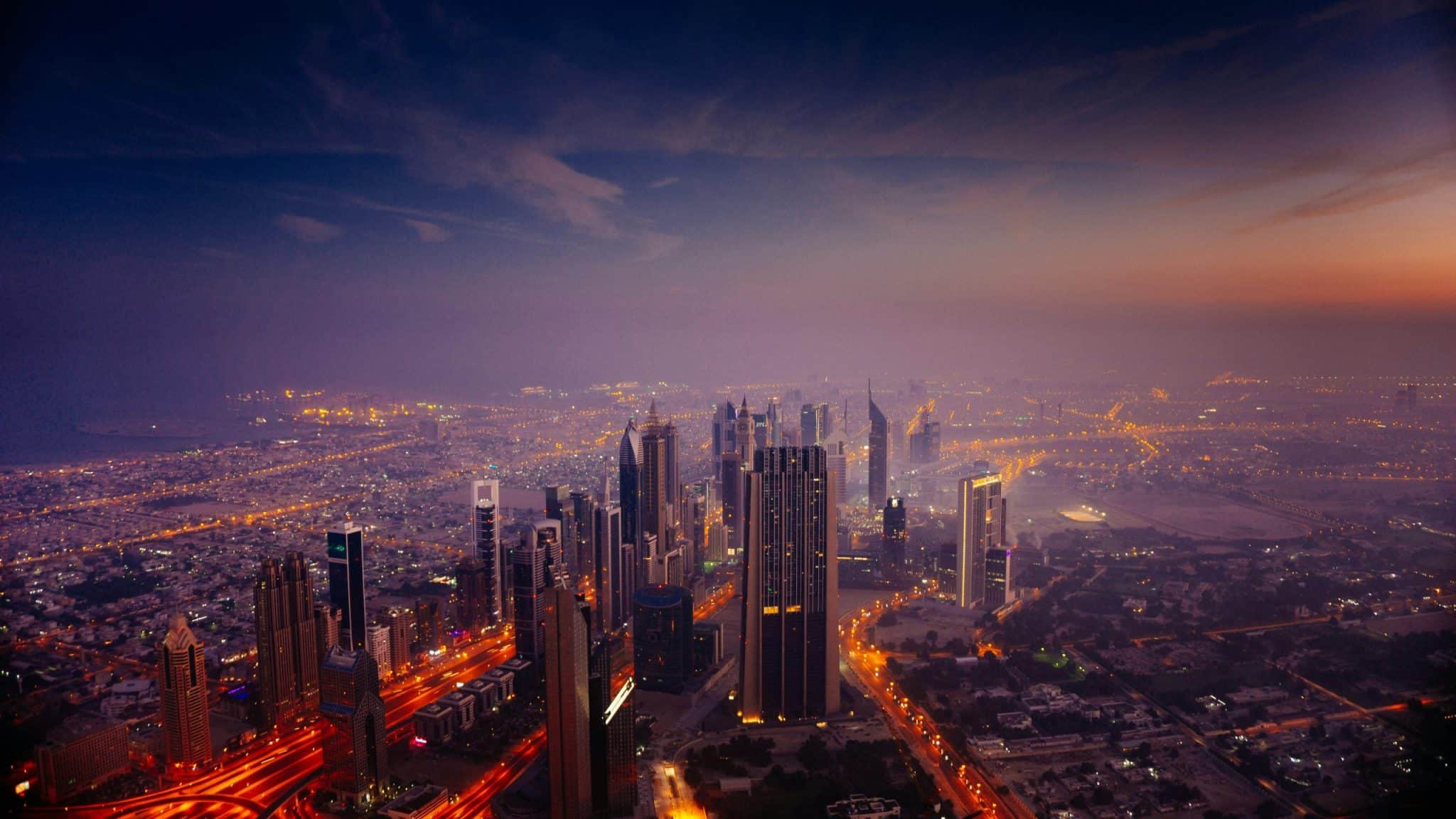
The Challenge of Urban Development
Before delving into the intricacies of designing future living environments, it is important to understand the challenges that urban development faces. The continuous influx of people into cities has caused a strain on resources and infrastructure, leading to issues such as traffic congestion, pollution, and inadequate housing. It is essential to address these challenges and find ways to create sustainable and livable cities.
The Importance of Design in Urban Development
Design plays a crucial role in the development of urban environments. It involves the creative process of planning, organizing, and carefully considering the layout of a space to optimize its functionality and aesthetic appeal. In urban development, design is not just about aesthetics; it is a tool for improving people’s quality of life. Well-designed cities can enhance the livability of a space, promote social interactions, and support physical and mental well-being.
Sustainable and Green Design
In recent years, there has been a growing focus on sustainable and green design in urban development. This approach aims to minimize the negative impact on the environment, as well as improve the quality of life for its inhabitants. Sustainable design can encompass various elements, such as energy-efficient buildings, green spaces, and eco-friendly transportation options. By creating sustainable living environments, we can reduce our carbon footprint and create healthier and more resilient cities for the future.
Smart Technology and Urban Living
The use of technology has revolutionized the way we live and work, and it has also made a significant impact on urban development. The rise of smart technology and the Internet of Things (IoT) has opened up new possibilities for designing future living environments. From smart homes and buildings to efficient transportation systems, technology can enhance the functionality and efficiency of cities. It can also improve the quality of life for residents by providing them with access to important information and services.
The Role of Community in Urban Development
Creating livable and sustainable cities cannot be achieved solely through design and technology; community involvement is also crucial. As cities continue to grow, it is essential to foster a sense of community and encourage residents to have a stake in their neighborhoods. Community involvement can lead to a more cohesive and inclusive city, where residents feel a sense of belonging and take pride in their surroundings.
Collaboration between Different Stakeholders
Effective urban development requires collaboration between different stakeholders, including urban planners, architects, developers, and community members. With their diverse perspectives and expertise, these stakeholders can work together to create well-designed and sustainable living environments that meet the needs and expectations of residents.
Conclusion
In conclusion, the design of future living environments is not just about creating aesthetically pleasing spaces, but it is also about creating functional, sustainable, and inclusive cities. Urban development is a complex and ever-evolving process, and it requires a holistic and collaborative approach to be successful. By incorporating innovative design, technology, and community involvement, we can create cities that are livable, resilient, and appealing for generations to come. Let us work together to shape the future of our urban environments.